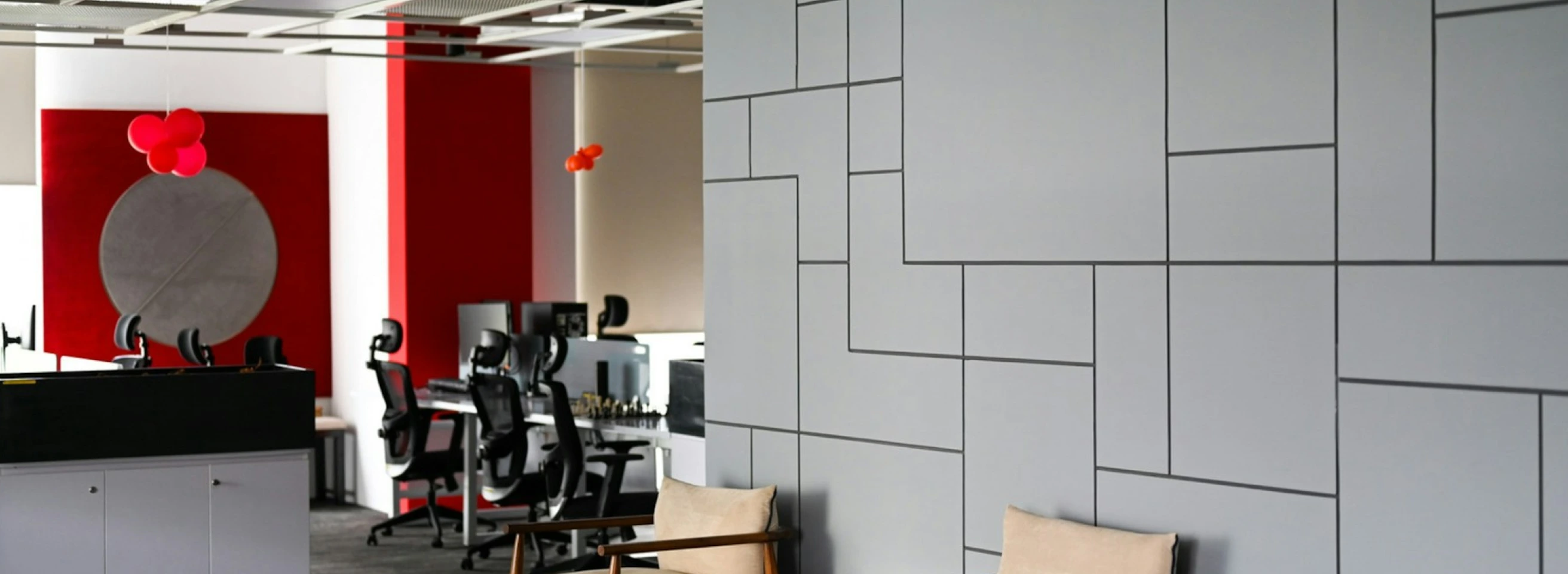
The world of work is undergoing a fundamental shift, and with it, the way offices are used. The shared office is far more than just a trend: it is a response to rising rental costs, flexible working models, and the desire for a dynamic work environment. Shared office spaces replace fixed desks with a flexible system where employees choose the workspace that best suits their current task each day. Combined with activity-based working, this creates offices that foster concentration, teamwork, and creativity in equal measure. In this article, you will learn how a shared office works, the benefits it offers, and what you should keep in mind when implementing it.
Key takeaways
- A shared office replaces fixed workstations with flexible zones that employees use as needed.
- Shared office spaces reduce rent and operating costs because only the space actually required is provided.
- Activity-based working complements the concept by creating different zones for different activities.
- A tidy, flexible office promotes interaction, creativity, and employee well-being.
- The right software and clear rules are essential for a shared office to run smoothly.
What is a shared office and how does it work?
A shared office is an office model in which workstations are no longer permanently assigned. Instead of having their own desk, employees use shared office spaces and choose a spot each morning that fits their daily schedule. Those who need to work with focus look for a quiet area. Those who have a team meeting sit in an open zone near their colleagues. This principle works particularly well in companies where not all employees are in the office at the same time. Those who work from home regularly do not need a fixed desk that sits empty on other days. The shared office turns unused space into a vibrant workplace that adapts to actual attendance. A clean-desk policy ensures that every workspace is left tidy at the end of the day, which also contributes to a tidier work environment.
Activity-Based Working: Taking the shared office to the next level
Activity-based working goes beyond the classic shared office. Instead of just offering flexible desks, the entire office is divided into specialized zones: quiet areas for focused work, open spaces for teamwork, conference rooms for meetings, and informal meeting points for spontaneous interaction. Employees do not choose their workspace randomly, but based on the activity they are currently performing. This model not only boosts productivity because every task takes place in the appropriate environment, but it also increases well-being. When employees can actively shape their work environment, they feel valued and are more motivated. The shared office thus becomes a place that supports different working styles simultaneously and encourages interaction across departmental boundaries.
Benefits of shared office spaces: Costs, culture, and creativity
The benefits of a shared office are manifold. The most obvious one: companies save space and, consequently, rent, energy, and cleaning costs. In short, you can optimize costs. If occupancy data shows that only 60 percent of desks are used on a typical day, the office space can be adjusted accordingly. But shared office spaces offer more than just cost savings. Those who don't sit at the same desk every day find it easier to strike up conversations with colleagues from other teams. This spontaneous exchange breaks down rigid structures, fosters new ideas, and strengthens the sense of community. Work organization also benefits: without a fixed desk, employees get used to working digitally and paperlessly, which accelerates processes and facilitates collaboration across locations.
The right software for your shared office
Without the right hybrid work software a shared office can quickly become disorganized. A good system must be intuitive to use and show in real time which desks and rooms are available. Employees should be able to quickly find and book a suitable spot via an app or web interface, filtered by equipment, floor, or proximity to their team. For management, the software provides valuable occupancy data: Which areas are in high demand at what times? Where is space regularly going unused? This information forms the basis for informed decisions regarding space optimization. When choosing a system, also look for integrations with existing tools like calendars or access control, as well as clear reporting features that make usage patterns visible.
How OfficeEfficient supports your shared office
OfficeEfficient is the platform that makes your shared office run smoothly. Employees can see in real time via the app which desks and rooms are available and choose the space that suits their current task. Whether it's a focus zone, team area, or meeting room: booking takes only seconds. At the same time, your teams can see which colleagues are in the office and plan their day accordingly.
For you as a company, OfficeEfficient provides the data you need for efficient space management. Detailed occupancy analyses show which areas are in demand, where there is excess capacity, and how office usage is distributed throughout the week. Based on this, you can adjust your space in a targeted manner, reduce costs, and create a work environment that your teams enjoy using. From implementation to long-term optimization, OfficeEfficient supports your journey toward a modern shared office.